Tips and Tricks for nonfiction writing
Teaching informational writing can be tricky. I always found it so difficult to teach writing, but it was also one of my favorite things to teach. Today I am going to share some tips and tricks for teaching informational writing to your primary students.
Make Your Students The Experts
The key to teaching informational writing is empowering your students to be experts. All your students are experts in something! They may be an expert at playing Fortnite, drawing, or everything about cheetahs.
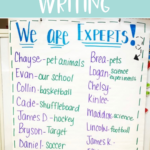
To begin my informative writing unit, I love to create excitement by doing an easy whole-group anchor chart where each student gets to share what they are an expert on. I like doing it whole group because if kids are struggling to come up with something they are an expert on, then they may get ideas from their peers. I always let my students pass too if they prefer not to share or are anxious about sharing in front of their class.
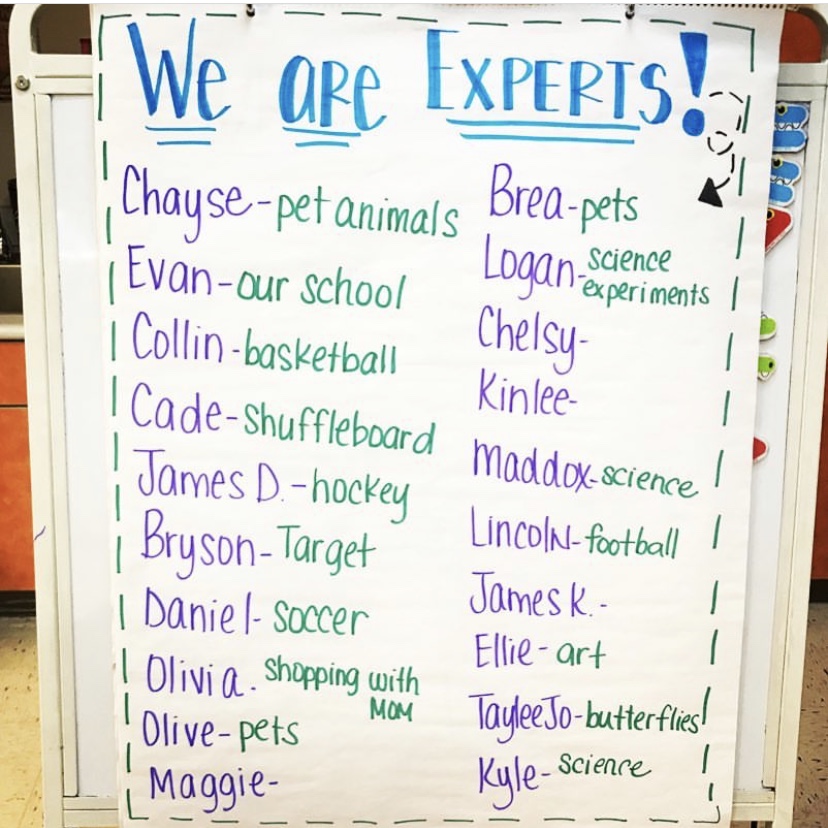
After brainstorming what we are experts on, we spend the rest of the writing time or the next day writing about our topic. We don’t formally do this. It’s almost like a quick write- where they write how they want without getting hung up on punctuation or capitals. The point of this exercise is to learn how to write an informative story, not to correct punctuation, grammar, or capitals.
Writing From An Expert Point Of View
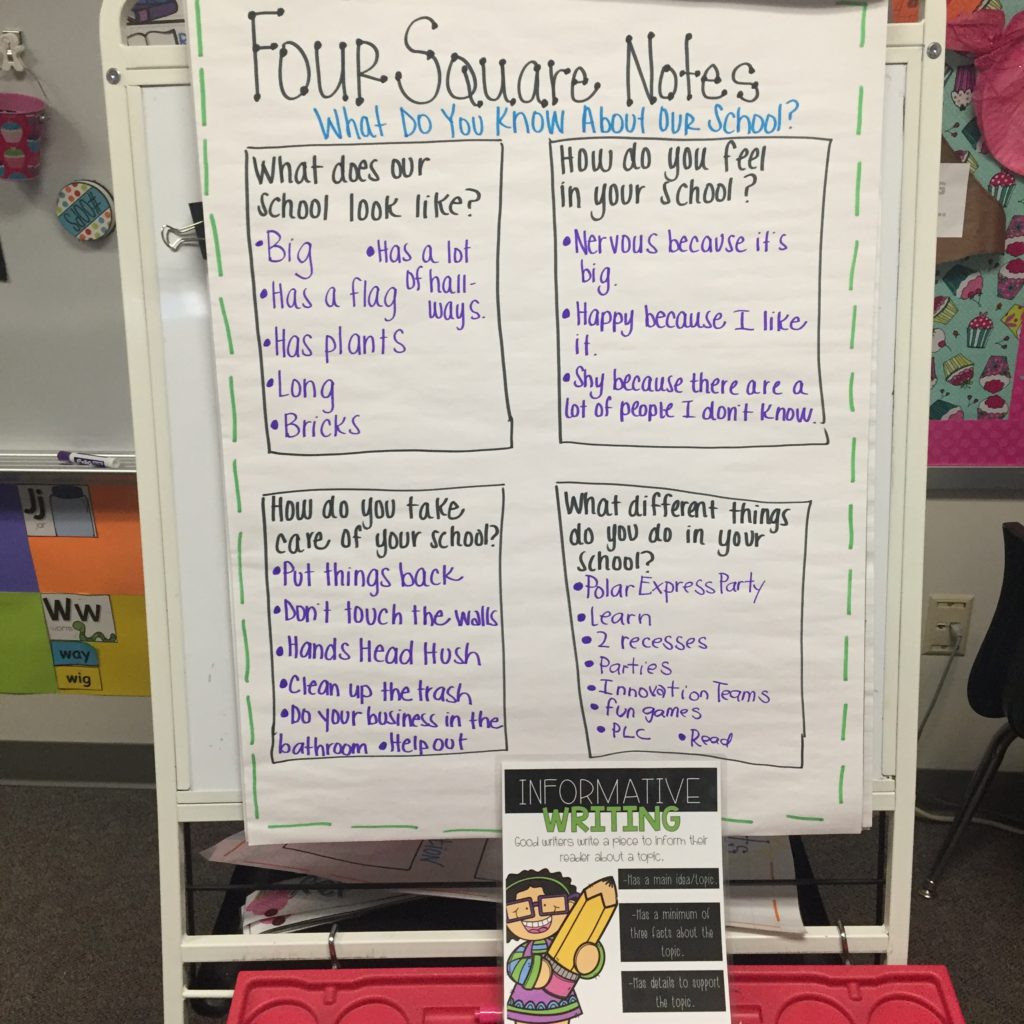
One thing all your students should be experts on is your school and classroom. They should know all the rules, where things are located, etc. so that if a new student comes in, they should be able to inform that student. So, that’s how I set up the next day and our shared writing piece. I explain to students that we are pretending we are getting a new student. As a class, we are going to write an informative story teaching them about our school. Individually, they are going to write an informative story about our classroom. We use four square notes to get this information organized.
Shared Writing
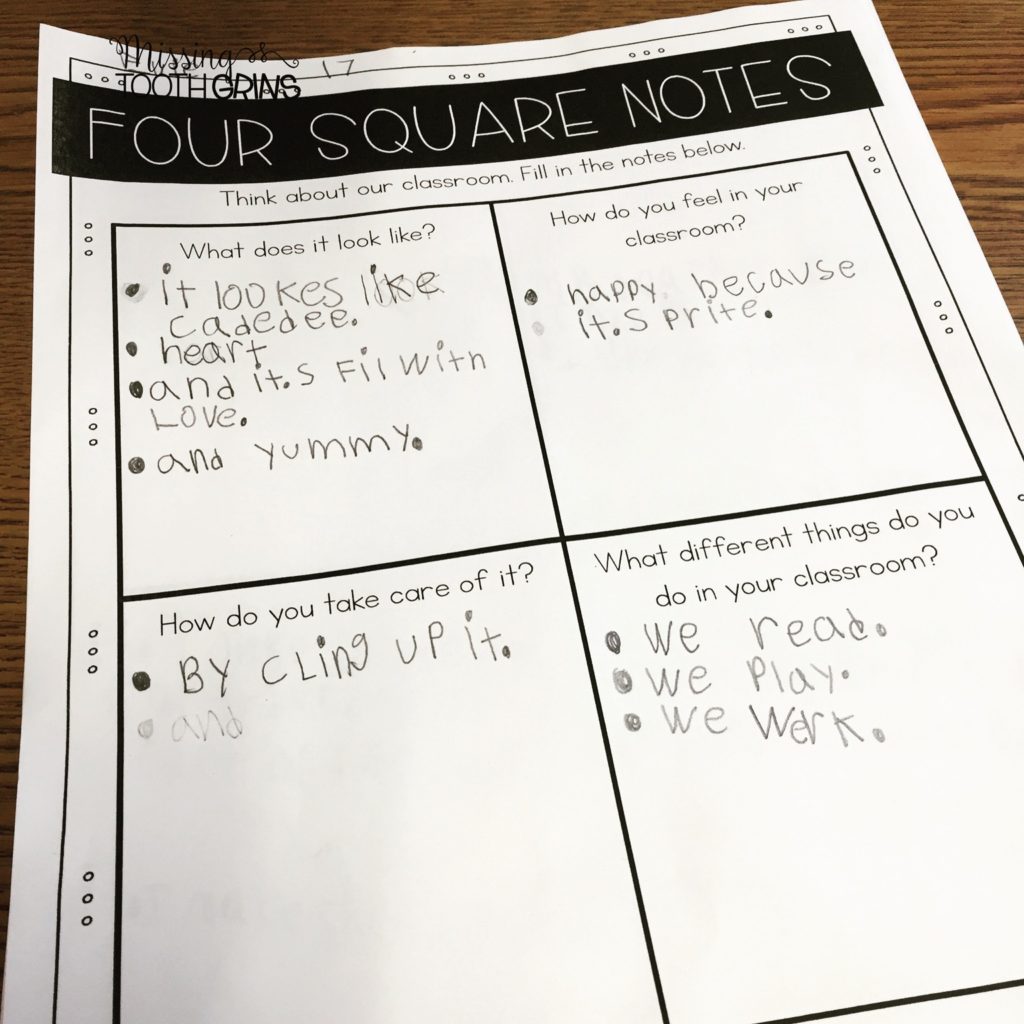
Together, we are creating a shared writing piece about the school. I model exactly what they are going to be doing on their own nonfiction story. So, we will brainstorm on our four square notes about the school together. Then, their independent work for that day will be to complete four square notes about the classroom individually at their seats. This works for every part of the writing process.
Writing A Rough Draft
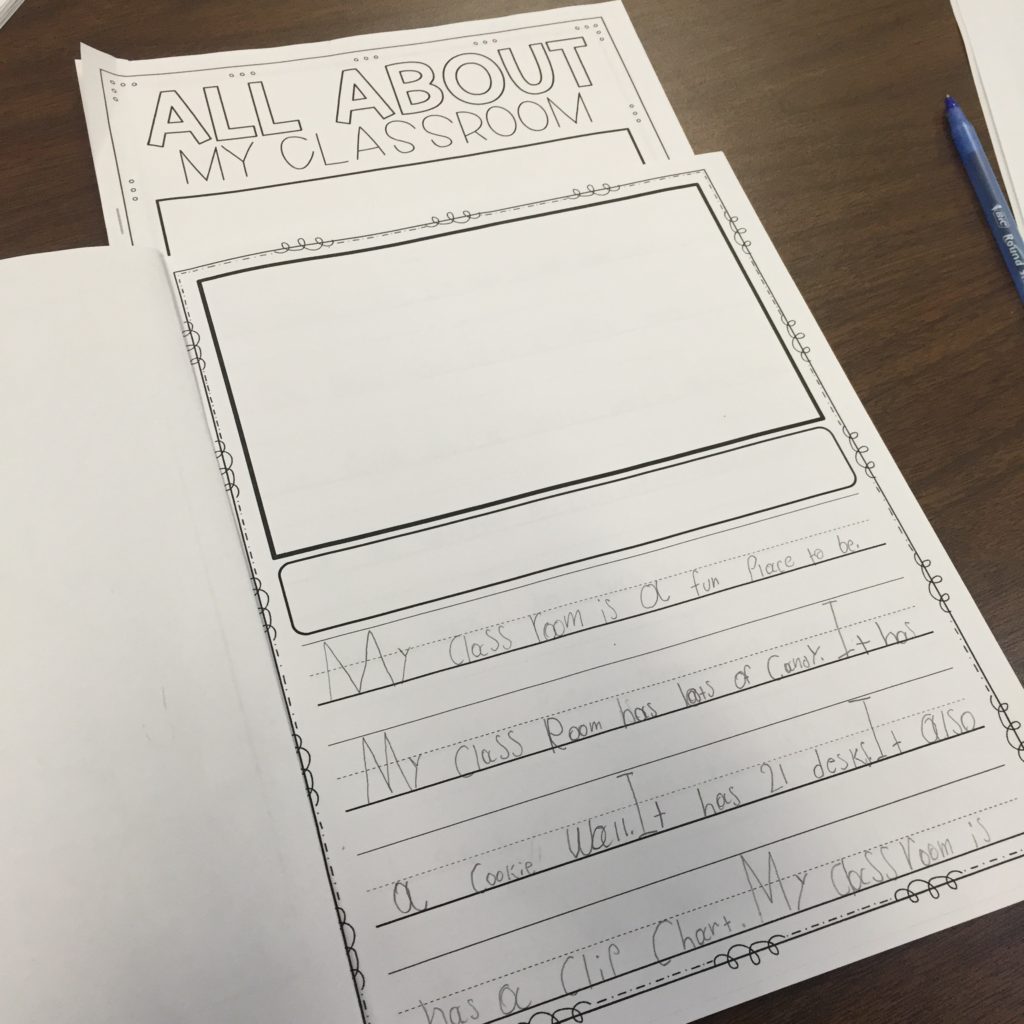
After the four square note writing, we move into the rough draft. A lot goes into this modeling process, like teaching topic sentences, concluding sentences, etc. If you want more help and resources with teaching topic sentence writing, click here.
Gradual Release of Responsibility
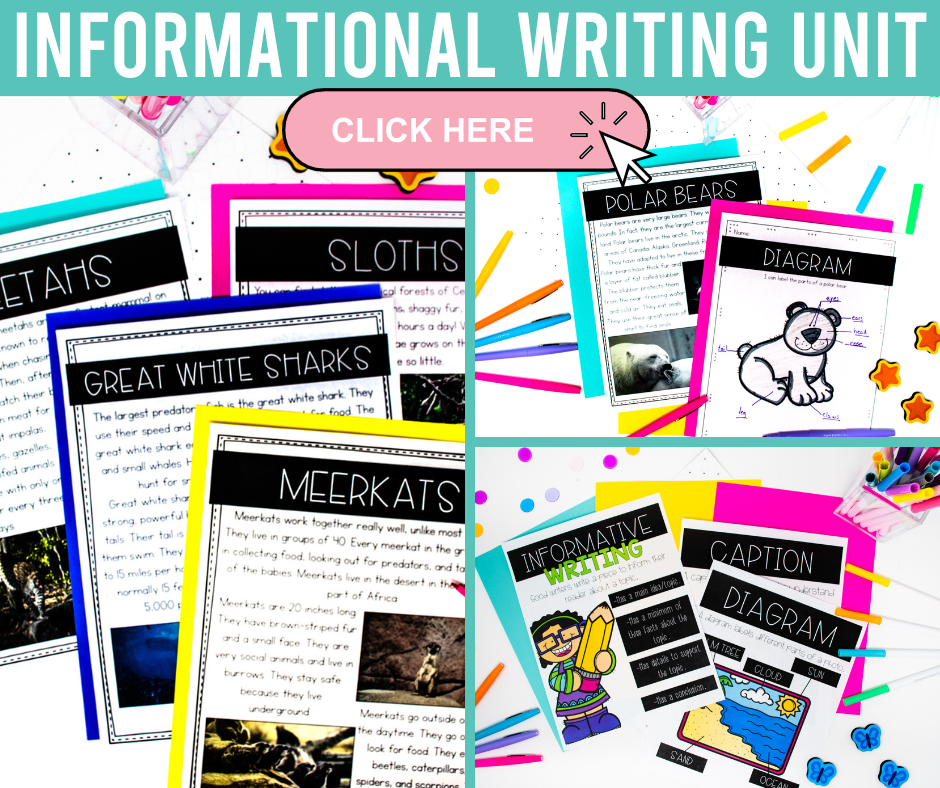
The following week is following that gradual release of responsibility. As a class, we learn and research about polar bears. Each student gets to pick what animal they are going to write about from the animals I provide. Each animal has a reading passage (many students will need help reading and that’s okay) and they take their notes on their four square paper. I let them do this in a group. So, all the students who chose the sloth get together, read the passage, and take notes together. This is going to make them understand the passage and animal better by being able to talk about it and it’s also going to help them be more confident in their writing.
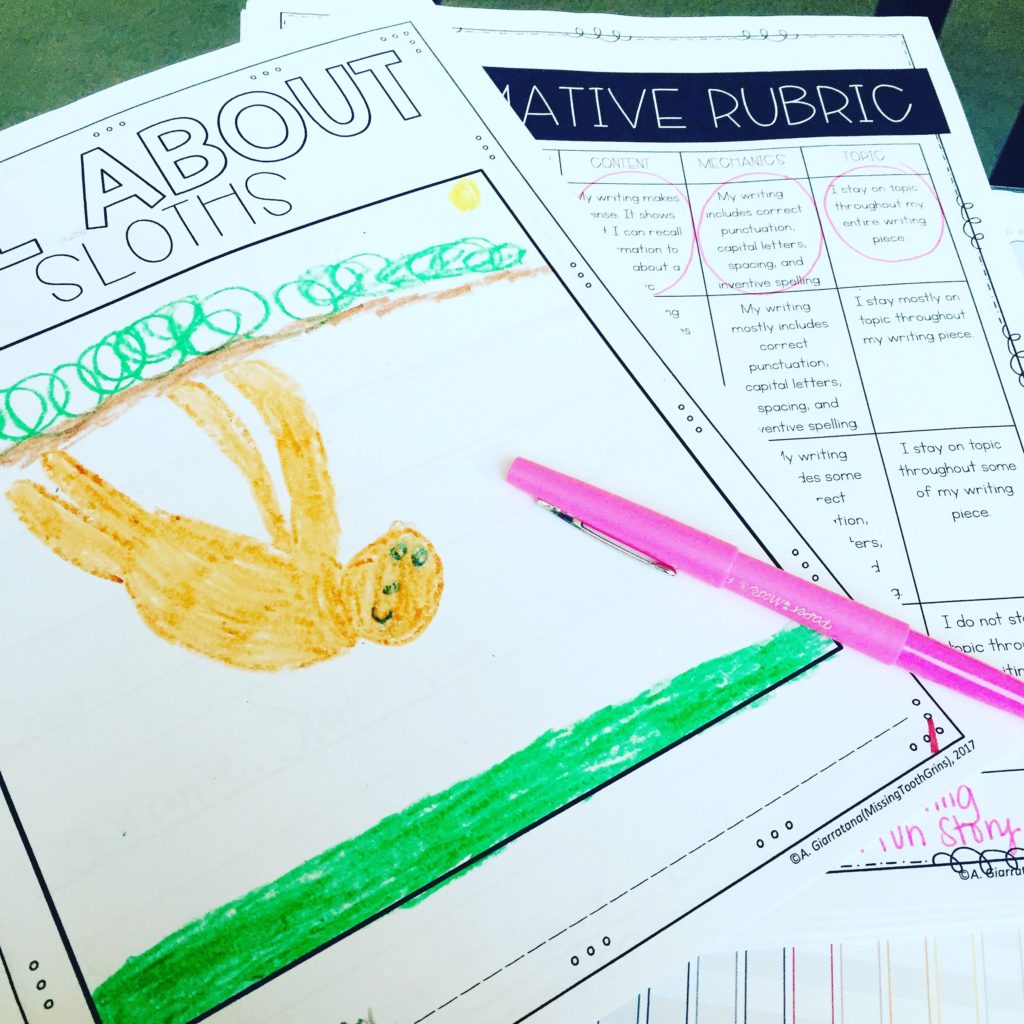
Check Out The Informational Writing Unit
If you are interested in seeing what I use for teaching informational writing, click here or click on the picture below. The unit comes with anchor charts, writing templates, four square notes, passages, note-taking resources for five different animals, and more!
Click here to purchase on TPT.
Click here to purchase on Missing Tooth Grins.
For more blog posts about teaching writing, check these out:
- Amazon Favorites For Your Writing Center
- 5 Benefits of Using A Writing Center
- How To Plan Differentiated Writing Centers